Jig and Fixture Design: A Checklist Before Ordering Fabrication
Prepare part samples, locating datums, handling requirements and machine conditions to discuss a clear fixture design from the outset.

A good fixture has to suit the part, the process and the operator. Sending only the product geometry is usually not enough: the designer also needs to know how the part is placed, what is checked and under what conditions it works.
Define the process the fixture is used for
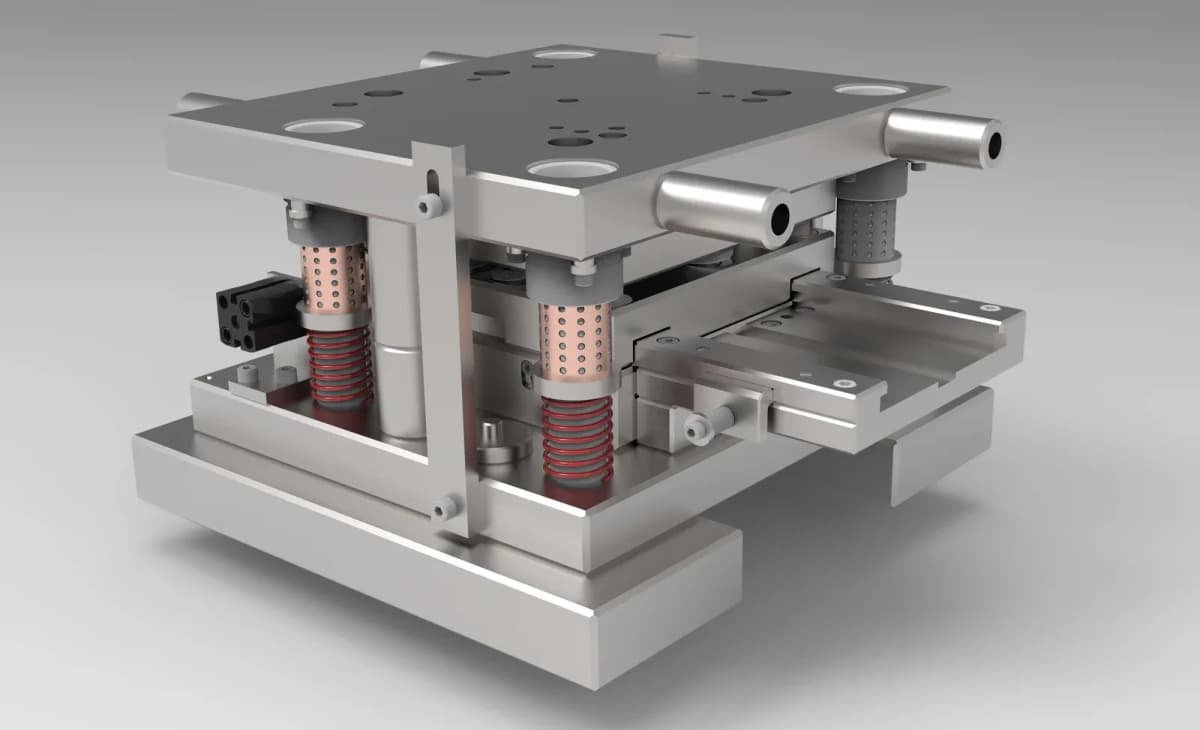
Distinguish between machining, assembly and inspection fixtures. Machining fixtures need to account for cutting forces and tool approach paths; assembly fixtures need to be easy to operate; inspection fixtures need to match the measurement datums. Do not use one generic description for tasks with different requirements.
Locating datums must be tied to the drawing
Mark the surfaces and features used for locating. If the part varies between lots or the blanks have deviations, provide this information so the fit into the fixture can be assessed. Locating and clamping are two different tasks: clamping must not shift the position or cause deformation beyond the requirements.
Provide information on forces and their direction
Describe the operation that generates force, where it acts and the areas that must not be supported or clamped. For machining, setup stability needs to be considered together with the direction of the cutting forces. Thin walls, cosmetic surfaces or easily deformed areas must be marked before the clamping mechanism is chosen.
Check part loading and unloading
Clarify whether handling is manual or automated, the direction in which the blank is loaded and the space for removing the finished part. If there are several part variants, define how stops are changed or locating elements are swapped. Assess the risk of loading a part in the wrong orientation and how it will be detected, rather than only checking once the part is clamped.
Agree on acceptance criteria
Acceptance should be based on the fixture's task: the position after setup, accessibility, model changeover, inspection requirements and the agreed trial run results. If pneumatics, electrics or sensors are used, list the interfaces and the documents to be handed over; do not assume that every accessory is within scope.
Send a fixture design request
Include the drawing, a sample if available, a description of the process, the equipment used, the installation space and the acceptance requirements. Photos of the current setup help with the initial discussion but do not replace confirmed installation dimensions. ZINITEK can review your documents to discuss a suitable design and fabrication scope.